Research projects
Space-based photometric missions, such as NASA's Kepler, TESS and the up-coming Roman, have provided the opportunity to measure precise stellar parameters through the detection of oscillations, known as asteroseismology. When combined with spectroscopic constraints on surface properties such as effective temperature and chemical abundances, asteroseismology has become a powerful tool for testing unresolved questions in stellar evolution and investigating the history of the Milky Way Galaxy. Below I detail some current projects & research interests related to these fields

Asteroseismology of Red Giant Stars in Clusters - Stellar clusters, such as open and globular clusters, are essential tools for investigating the evolution of our Galaxy and as testbeds for stellar evolution theories due to their homogeneous populations.

Combining TESS Asteroseismology & APOGEE Spectroscopy to develop a APO-TESS catalog - The all-sky photometric TESS mission provides the opportunity to study a broader and more diverse view of the Milky Way.

Asteroseismology of Red Giant Stars with Roman Photometry - The up-coming launch of the infra-red space mission, Roman, which will capture high-resolution time-domain photometry to asteroseismically study the densest regions of our Galaxy.
Observing
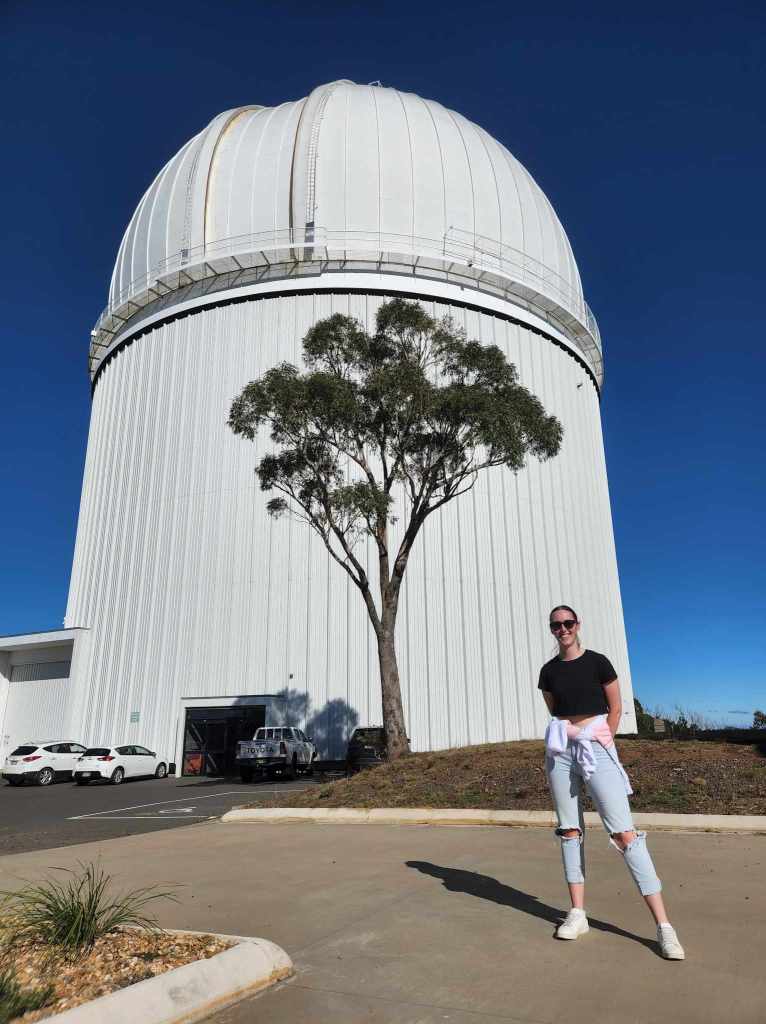
Anglo Australian Telescope - Success in several proposals as PI on the AAT to measure spectroscopic stellar parameters and abundances in the globular cluster M4.
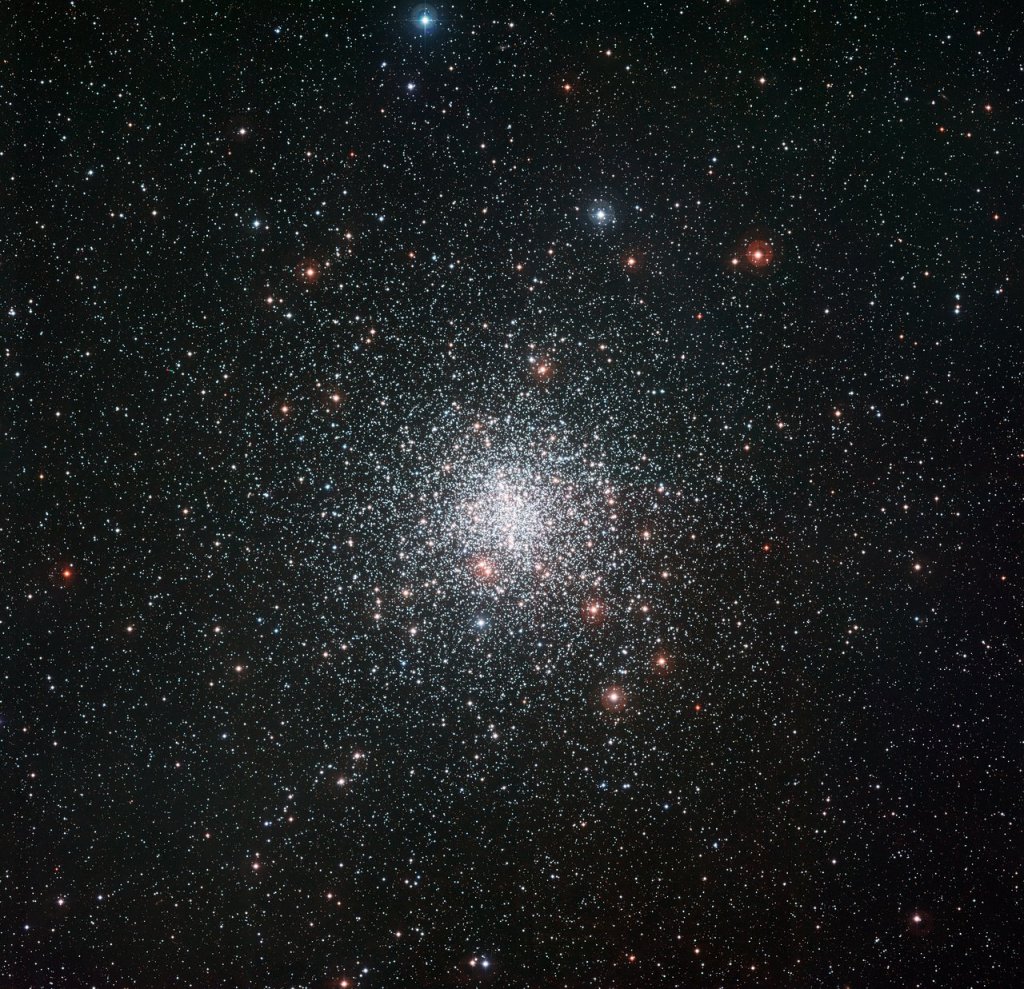
Very Large Telescope - Successful proposal as PI for 9.8 hours on the FLAMES instrument to measure spectroscopic stellar parameters and abundances in the globular cluster M80.
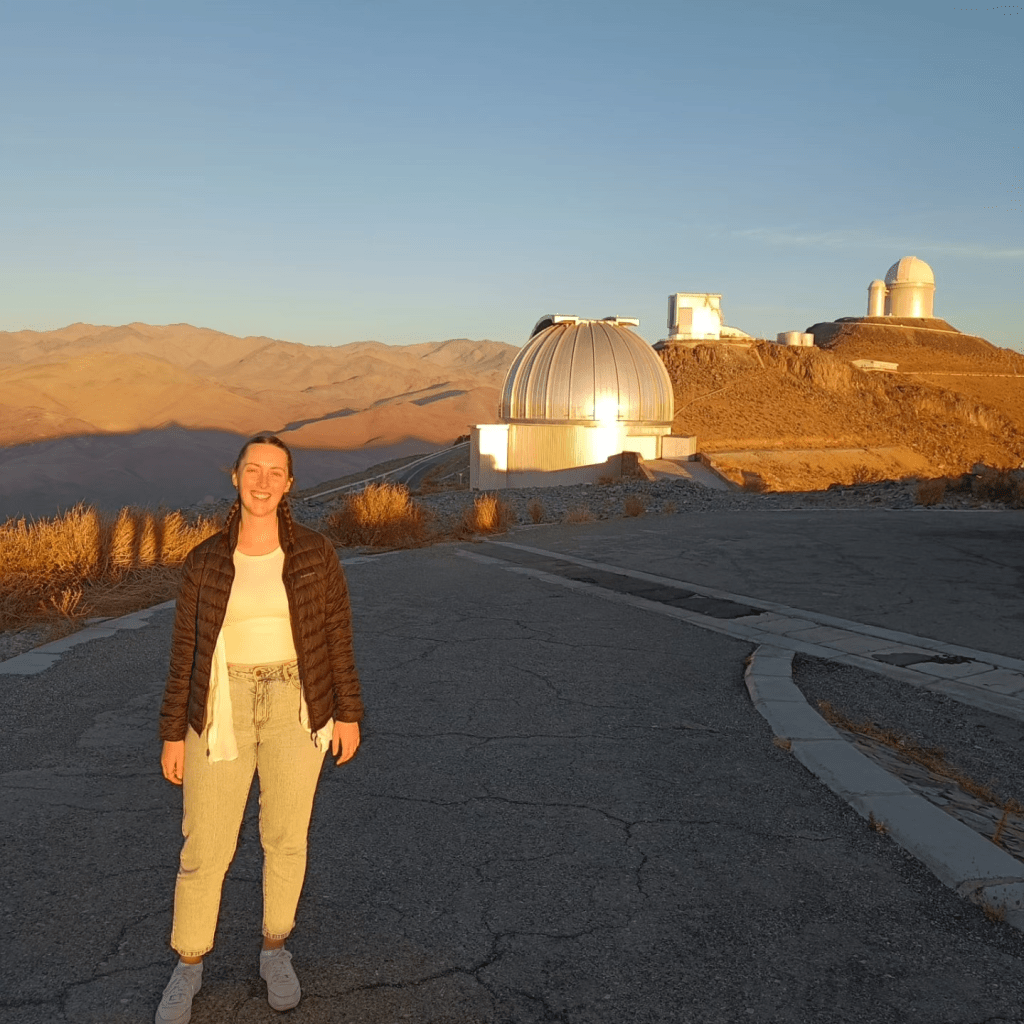
3.6m Telescope at La Silla Observatory - ESO Observing School 2024
Large Binocular Telescope - Proposal accepted for 17hrs to use the PEPSI spectrograph on the LBT to study chromospheric activity in red giants in the open cluster NGC 2420
 Dr Maddy Howell